What Has Google Announced?
Two things, and they fit together.
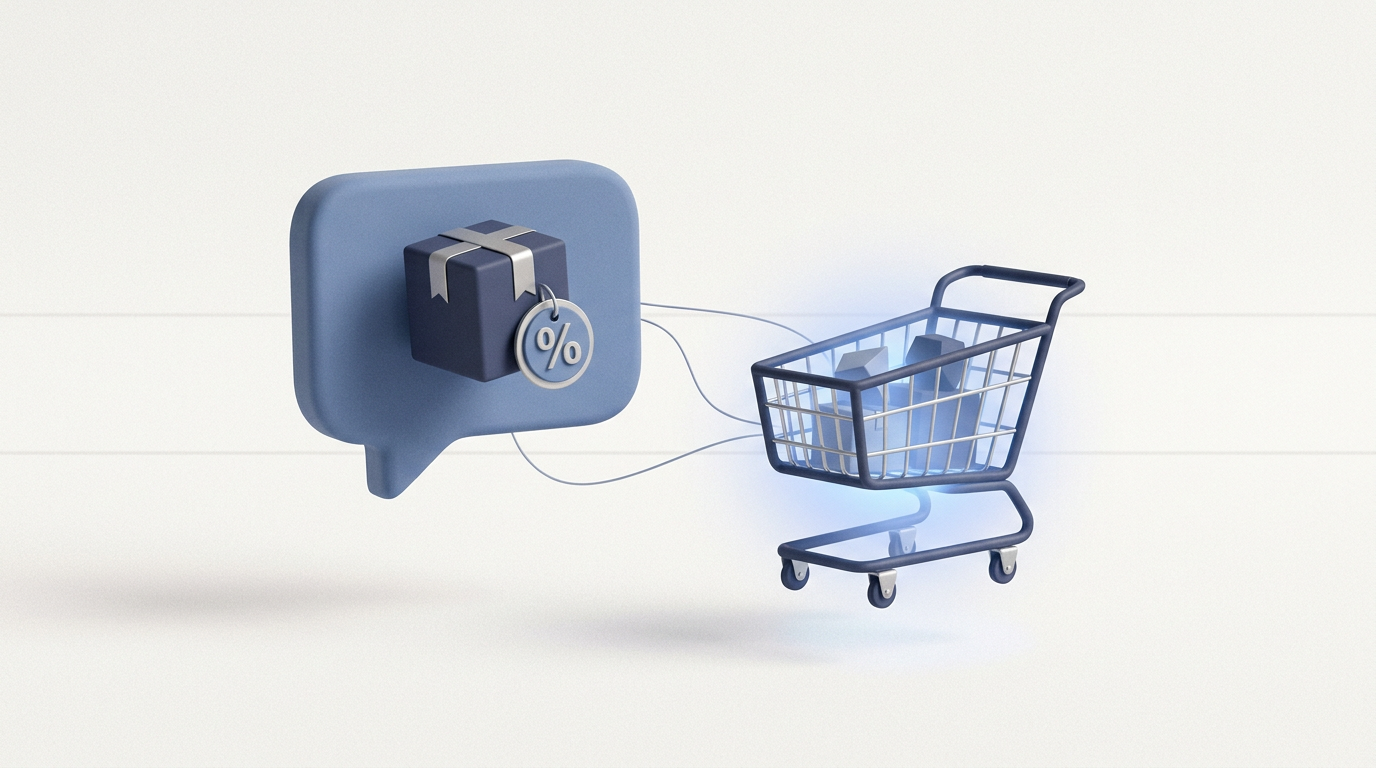
Direct Offers are a new kind of promotion built for Google's AI shopping experiences. You set up an offer at account or campaign level, such as a percentage off or free delivery, along with its terms. Google's AI then decides when to show it to someone in AI Mode who looks ready to buy.
Universal Cart is a shopping basket that works across Google. It has launched in US Search and the Gemini app, letting people collect products from different shops in one place. For retailers using Google's Universal Commerce Protocol, shoppers can check out without leaving Google, paying with Google Pay.
Neither is fully available in the UK yet. But both show where Google is heading, and the retailers who prepare now will be first in line.
Why This Is a Big Deal
For twenty years, search ads have worked the same way. Someone searches, sees an ad, clicks through to your site and buys there.
AI Mode changes that. Someone can ask Google to find a waterproof walking jacket under a certain price, compare options and add one to a basket, all in one conversation. Your website might only be involved at the very end, or not at all.
When that happens, the things that decide whether you win the sale are:
Clever ad copy matters less when the AI is reading your feed rather than a person reading your headline.
What UK Retailers Can Do Now
What About Measuring It?
This is the part that worries most advertisers. If the sale happens inside Google, your website analytics won't see the usual journey. Accurate conversion tracking through Google Ads, and enhanced conversions in particular, will matter more, not less.
We covered how AI search is changing visibility more broadly in our guide to appearing in AI Mode and AI Overviews.
The Bottom Line
You don't need to do anything dramatic today. But the businesses that win in AI shopping will be those with the cleanest data and the clearest offers, and both take time to build.
If you'd like us to look at your feed and Shopping set-up, get in touch.